If you want to buy solar panels in Pakistan, 2026 is arguably the best time to do it. Panel prices have fallen sharply, net metering rules are clearer, and grid tariffs keep climbing, so the payback period on a rooftop system is shorter than it has ever been. The catch is that the market is crowded with mismatched kits, grey-import modules, and salespeople who quote a “cheap per-watt” price that hides weak components.
This guide walks you through buying solar panels the smart way: how to size a system for your home, which panel technology to pick, what documentation to demand, and how to avoid the traps that leave families with underperforming rooftops. The goal is a system that actually pays back, not just a low invoice.
Why 2026 Is a Strong Year to Buy Solar Panels in Pakistan
Global module oversupply has pushed Tier-1 panel prices to record lows, and that discount reaches Pakistani importers within months. At the same time, grid electricity for domestic slabs has repeatedly crossed painful thresholds, which widens the gap between what you pay the grid and what solar costs you.
Net metering also matured. Households across Punjab, KPK, and Sindh now export surplus daytime generation and offset night-time consumption on their bill. If you want a deeper walk-through of the export mechanism, these quality service providers explain how to sell solar back to the grid step by step.
The three cost drivers that decide your payback
- Panel wattage and efficiency: higher-efficiency modules produce more from the same roof.
- Inverter quality: a cheap inverter throttles the whole system.
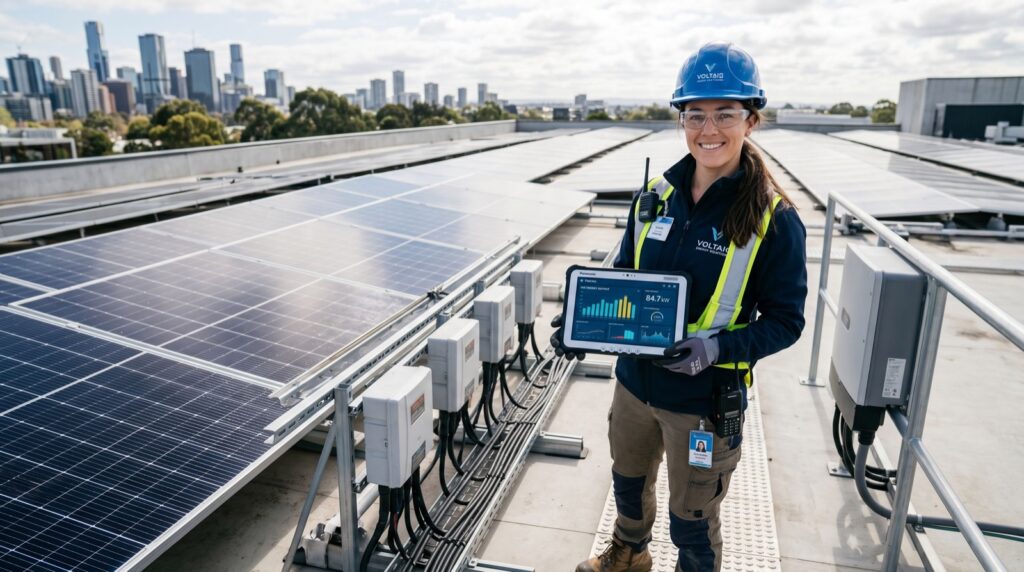
- Installation workmanship: poor wiring and shading losses quietly eat 10–20% of output.
How Many Solar Panels Does Your Home Need?
Start with your electricity bill, not the salesman’s brochure. Look at your monthly units (kWh) and your peak load in kilowatts. A typical urban home in Pakistan using 600–900 units a month usually lands on a 5kW to 7kW system.
As a rough field rule, one kilowatt of modern panels needs roughly 55–65 square feet of unshaded roof and generates about 4 units per day on average across the year. Multiply accordingly and leave headroom for future appliances like an EV charger or a second AC.
Quick sizing reference
| Monthly Units (kWh) | Suggested System | Approx. Panels (585W) | Roof Space |
|---|---|---|---|
| 300–450 | 3 kW | 5–6 | ~180 sq ft |
| 500–750 | 5 kW | 9–10 | ~320 sq ft |
| 800–1,100 | 7 kW | 12–13 | ~450 sq ft |
| 1,200+ | 10 kW | 17–18 | ~650 sq ft |
Which Solar Panel Technology Should You Choose?
Almost every serious residential buyer in 2026 should choose monocrystalline PERC or newer N-type TOPCon panels. They deliver higher efficiency, better low-light performance, and slower degradation than older polycrystalline modules.
Look for bifacial N-type modules if your roof reflects light well, and always confirm the module appears on a recognised Tier-1 list. The National Renewable Energy Laboratory publishes verified cell and module efficiency data you can use as a sanity check against any spec sheet a vendor hands you.
What to verify before you pay
- Genuine datasheet matching the exact model printed on the panel back-label.
- Product warranty of at least 12 years and a performance warranty near 25–30 years.
- IEC 61215 and IEC 61730 certification numbers you can cross-check.
- A serial number you can register with the manufacturer.
On-Grid, Hybrid, or Off-Grid: Matching the System to Your Needs
Your inverter choice defines the whole system. On-grid systems are cheapest and ideal where load-shedding is minimal. Hybrid systems add batteries and keep essentials running during outages, which suits most Pakistani homes. Off-grid is reserved for locations with no reliable grid at all.
Because outages are common here, a hybrid setup is usually the sweet spot. If you plan to add storage, start with a quality hybrid inverter in Pakistan so you can plug in batteries later without replacing the core electronics.
Original tip from the field
Buy the inverter one size “ahead” of your panels. Oversizing the DC input slightly lets you add a few extra panels in year two without swapping the inverter, and it protects you against gradual panel degradation. This small decision often saves a five-figure rupee upgrade later.
How Do You Avoid Getting Scammed When Buying Solar Panels?
The most common trick is quoting a low price for panels while quietly downgrading the inverter, mounting structure, or cables. A rooftop is only as strong as its weakest component, so scrutinise the full bill of materials, not just the panel brand.
Ask for the complete component list in writing, insist on genuine warranty cards, and be suspicious of prices far below the market. A cheap grey-import module with no traceable serial number is a liability, not a bargain.
Frequently Asked Questions
Is it cheaper to buy solar panels in 2026 than before?
Yes. Global oversupply has driven per-watt prices down significantly, and combined with higher grid tariffs, most homeowners see payback periods of roughly three to five years.
What size solar system is best for an average Pakistani home?
Most urban homes fit well with a 5kW to 7kW system. Size it from your actual monthly units and peak load, and leave room for future appliances.
Should I buy a hybrid inverter or an on-grid inverter?
If you face load-shedding, choose a hybrid inverter so you can add batteries and keep critical loads running. On-grid suits homes with a very stable supply.
How do I confirm a solar panel is genuine?
Match the back-label model to the official datasheet, verify IEC certification numbers, and register the serial number with the manufacturer. Genuine Tier-1 panels are always traceable.
Ready to Buy the Right Solar System?
Buying solar panels in Pakistan is a long-term investment, so prioritise verified components, honest sizing, and a trustworthy installer over the lowest sticker price. Get a proper load assessment, demand genuine warranties, and choose a hybrid-ready design if outages affect your area. Do that, and your rooftop will keep paying you back for decades. Reach out to a reputable solar supplier today and request a transparent, itemised quote before you commit.