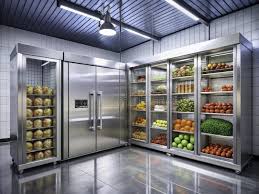
In the global economy of frozen foods, pharmaceuticals, and long-term preservation, few technologies are as critical as Frozen Storage. Unlike chilled storage, which merely slows bacterial growth, frozen storage halts it almost entirely by reducing product temperature to -18°C or lower. At these temperatures, water turns to ice, microbial activity ceases, enzymatic reactions become negligible, and products can remain safe and nutritious for months or even years. Frozen storage is the engine behind the multi-billion-dollar frozen food industry, enabling consumers to enjoy ice cream on a hot summer day, restaurants to serve frozen French fries, and hospitals to store frozen plasma and tissue samples.
But effective frozen storage requires precision engineering: industrial-grade refrigeration, high-density insulation, real-time temperature monitoring, backup power systems, and strict inventory rotation. A single degree of temperature fluctuation can cause freezer burn, ice crystal growth, and product degradation. For businesses dealing in frozen goods—importers, distributors, supermarkets, restaurants, and healthcare providers—professional frozen storage is not an expense. It is an essential investment in product integrity and customer trust.
The Science of Frozen Storage
Understanding the science behind frozen storage is essential for appreciating its complexity. When water freezes slowly, it forms large, sharp ice crystals that puncture cell walls, leading to mushy textures upon thawing. Professional frozen storage facilities use rapid freezing techniques—blast freezers that lower product core temperature from +5°C to -18°C in under four hours—to create small, uniform ice crystals that preserve cellular integrity.
Temperature stability is equally critical. Fluctuations cause “freezer burn,” where surface moisture sublimates directly into vapor, leaving dry, discolored patches on food. A quality frozen storage facility maintains temperature variance within ±1°C, never exceeding -18°C even during door openings or product loading. This requires sophisticated refrigeration systems, high-performance insulation, and strict operational protocols.
Furthermore, frozen storage requires specialized flooring, insulation, and vapor barriers. Standard concrete floors can crack under freeze-thaw cycles, so facilities use air-entrained concrete with underfloor heating systems to prevent ground frost heave. Insulation thickness typically exceeds 150mm, often using extruded polystyrene (XPS) or polyurethane panels with vapor-tight seals. Humidity control is equally important—excess moisture in a frozen facility leads to ice buildup on evaporator coils, reducing efficiency and creating slipping hazards.
Frozen Storage in Riyadh
Operating frozen storage in the heart of the Saudi desert presents a set of challenges that would be unimaginable in temperate climates. Frozen Storage in Riyadh must contend with summer temperatures that regularly exceed 45°C, with asphalt and concrete surfaces radiating heat well above 60°C. This extreme thermal gradient—a difference of nearly 65°C between outside air and the frozen storage interior—places enormous stress on refrigeration systems, insulation, and building envelopes.
Engineering Challenges Unique to Riyadh
Every time a delivery truck door opens to unload products in Riyadh, warm, humid air rushes into the frozen storage area, creating immediate condensation that can quickly turn to ice on floors, racks, and evaporators. Consequently, frozen storage facilities in Riyadh require significantly larger refrigeration capacities than their European or North American counterparts, often double or triple the compressor power per cubic meter.
Insulation Requirements: Facilities in Riyadh use 150mm to 200mm of high-density polyurethane insulation—significantly thicker than the 100mm standard in cooler climates. This insulation must be carefully installed with vapor-tight seals to prevent moisture infiltration that can degrade performance over time.
Door Technology: Rapid-roll insulated doors that open and close in under five seconds are essential. These doors minimize cold air loss during loading and unloading. High-velocity air curtains at all entry points further reduce thermal exchange, blowing a stream of air across the doorway to create an invisible barrier between the frozen interior and the hot exterior.
Redundant Refrigeration: Given the extreme external temperatures, a single refrigeration failure can be catastrophic. Professional Riyadh facilities install redundant systems—two or more complete refrigeration units that automatically take over if the primary system fails. Backup generators with on-site fuel reserves for 72+ hours of continuous operation are mandatory.
Real-Time Monitoring: Continuous temperature monitoring with automated alerts is non-negotiable. Sensors placed throughout the storage zone report to a central system that triggers alarms (via SMS, email, or dashboard) if temperatures deviate from specifications for more than a predetermined period.
The Riyadh Market Demand
Riyadh’s booming population—over 7 million residents and growing—has fueled an explosion in frozen food consumption. Major supermarket chains operate dozens of branches across the city, each requiring daily or weekly frozen deliveries. The restaurant industry, from fast-food giants to high-end steakhouses, depends on reliable frozen storage for everything from french fries to imported beef.
The healthcare sector, with major medical cities like King Faisal Specialist Hospital and King Saud Medical City, requires frozen storage for plasma, certain medications, and laboratory samples. These medical applications often demand temperatures of -40°C or lower, requiring specialized ultra-low temperature (ULT) freezers.
Additionally, the Saudi Food and Drug Authority (SFDA) enforces strict regulations on frozen storage facilities, requiring calibrated temperature monitoring systems, backup power, and regular third-party audits. Facilities that fail to maintain consistent -18°C face fines, license suspension, or criminal liability if spoiled products reach consumers.
Strategic Location Considerations
For frozen storage in Riyadh, location relative to major transportation arteries is critical. Facilities near the intersection of King Fahd Road and the Eastern Ring Road, or those with easy access to Highway 65, can serve the entire capital efficiently. Proximity to the dry port and logistics zones reduces transport times and cold chain exposure during delivery.
Frozen Storage in Saudi Arabia
When we expand our view to the national level, the landscape of Frozen Storage in Saudi Arabia reveals a sector undergoing rapid transformation driven by Vision 2030’s food security and logistics development goals. Saudi Arabia imports over 80% of its food, with frozen products representing a significant and growing share. Frozen chicken from Brazil, frozen vegetables from Belgium, frozen fish from Norway and Yemen, and frozen berries from Chile all pass through Saudi ports before reaching consumers.
Regional Climate Variations
Saudi Arabia’s geography creates three distinct frozen storage environments, each with unique requirements:
Western Region (Jeddah, Makkah, Taif) : This region experiences high humidity from the Red Sea, leading to increased ice buildup on evaporator coils and requiring more frequent defrost cycles. Salt-laden air accelerates corrosion on refrigeration components, necessitating marine-grade materials and protective coatings. Facilities in Jeddah must be designed for coastal conditions, with enhanced dehumidification and corrosion-resistant construction.
Central Region (Riyadh, Qassim) : The central region features extreme, dry heat that stresses refrigeration condensers. Condensers must be oversized and positioned for adequate airflow, often with additional cooling fans or even evaporative pre-cooling. Dust and sand can clog condenser coils, requiring more frequent maintenance schedules.
Eastern Region (Dammam, Khobar, Jubail) : The eastern region faces both extreme heat and periodic Gulf humidity, as well as salt-laden air from nearby industrial zones. Facilities require both enhanced dehumidification and corrosion protection, plus robust insulation to handle the thermal load.
Industry-Specific Requirements
Different industries within Saudi Arabia have unique frozen storage requirements:
Ice Cream and Dessert Sector: A massive market given the Kingdom’s hot climate, premium ice cream requires storage at -25°C to -30°C to maintain smooth texture and prevent ice crystal formation. Many budget facilities cannot achieve these temperatures, forcing premium brands to seek specialized providers.
Seafood Industry: Centered around Jeddah’s fishing fleet and imports from Oman and Yemen, the seafood industry requires rapid freezing immediately after catch to preserve freshness and prevent histamine formation. Blast freezing capabilities are essential.
Pharmaceutical and Biotechnology Sector: Growing rapidly with Saudi Arabia’s healthcare expansion, this sector needs validated frozen storage at -20°C and -40°C with redundant refrigeration, 24/7 monitoring, and strict access controls. Many vaccines and biological samples require ultra-low temperature storage.
Catering and Hospitality Industry: Serving millions of Hajj and Umrah pilgrims annually, this sector demands massive frozen storage capacity with rapid turnover and strict halal segregation. Facilities must handle huge volumes during peak seasons.
Emerging Trends
Several emerging trends are reshaping frozen storage in Saudi Arabia:
E-Commerce Frozen Food Delivery: Platforms offering frozen food delivery require distributed frozen storage nodes near urban centers to enable two-hour delivery windows. This demands smaller, strategically located frozen storage units rather than a few centralized megawarehouses.
Sustainable Refrigeration: Traditional refrigeration systems use hydrofluorocarbons (HFCs) with high global warming potential. Progressive providers are transitioning to natural refrigerants like ammonia (NH3) and carbon dioxide (CO2), which have lower environmental impact and better energy efficiency at frozen temperatures.
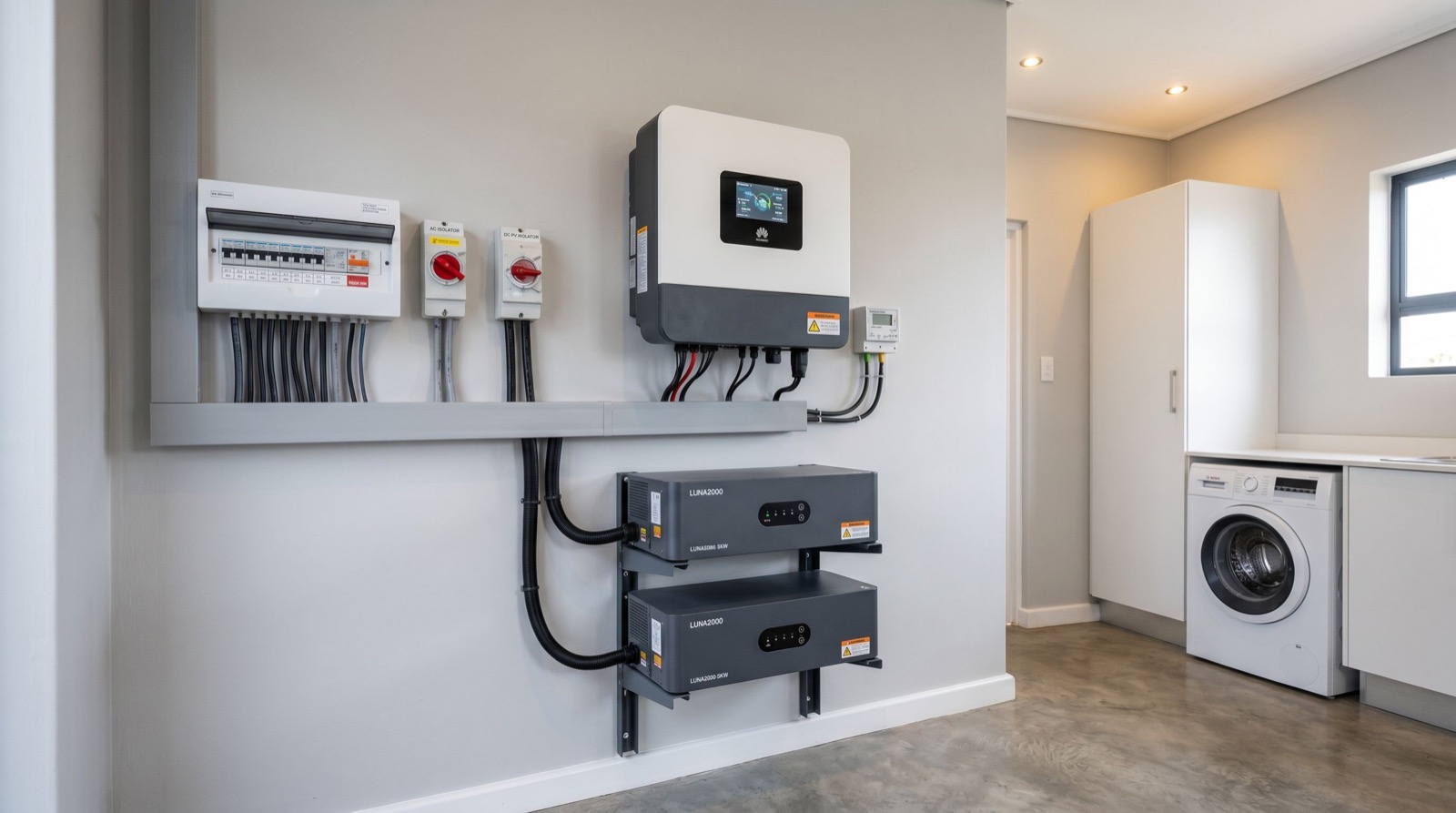
Solar-Assisted Refrigeration: Leveraging Saudi Arabia’s abundant sunshine, solar-assisted refrigeration systems use photovoltaic panels to power compressor systems during daylight hours, reducing grid dependence and operating costs.
Market Projections
The frozen storage market in Saudi Arabia is projected to grow at over 9% annually through 2030, driven by population growth, rising disposable incomes, changing consumer preferences toward convenience foods, and continued expansion of the food service and pharmaceutical sectors. For businesses seeking to capitalize on this growth, partnering with an experienced, well-capitalized, and technologically advanced frozen storage provider is not optional—it is the difference between thriving and merely surviving.
Units: Your Trusted Partner for Frozen Storage Across the Kingdom
When your products are frozen, your standards should be anything but. For businesses that demand absolute reliability, precision temperature control, and professional service, one name stands above all others in Saudi Arabia: Units. As the top company for frozen storage solutions across the Kingdom, Units has built its reputation on engineering excellence, operational rigor, and an unwavering commitment to client success.
Engineering Excellence
Unlike general warehousing providers who treat frozen storage as an afterthought, Units designs and operates purpose-built frozen facilities with every component selected for maximum performance under Saudi conditions. Their frozen storage chambers maintain temperatures as low as -30°C with variance never exceeding ±1°C, achieved through redundant refrigeration systems from global leaders like Bitzer, GEA, and Carrier.
Superior Insulation: Each facility features 150mm to 200mm of high-density polyurethane insulation with vapor-tight joints, minimizing thermal leakage and reducing energy costs by up to 40% compared to industry averages. This insulation is critical for maintaining stable temperatures during Riyadh’s extreme summer heat.
Advanced Airflow: Rapid-reacting evaporators with variable-speed fans maintain uniform airflow throughout the chamber, eliminating hot or cold spots that could damage sensitive products. Strategic placement ensures consistent temperatures from floor to ceiling.
Efficient Doorways: Every doorway is equipped with high-velocity air curtains and rapid-roll insulated doors that open and close in under five seconds, dramatically reducing cold air loss during loading and unloading. This technology is essential for operations requiring frequent access.
Strategic Locations
Units operates multiple frozen storage locations strategically positioned across Riyadh, Jeddah, and Dammam, providing easy access to major highways, ports, and urban centers:
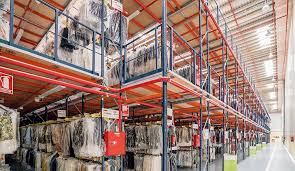
- Riyadh Facility: Located near the intersection of King Fahd Road and the Eastern Ring Road, offering over 10,000 pallet positions.
- Jeddah Facility: Positioned close to King Abdulaziz Port, ideal for importers.
- Dammam Facility: Strategically located near King Abdulaziz Port and the Gulf Bridge.
Temperature Zones
Units offers multiple temperature zones to accommodate diverse product requirements:
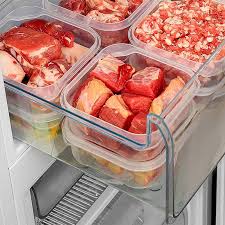
- -18°C to -20°C for general frozen goods (meat, poultry, vegetables)
- -25°C for ice cream and premium frozen products
- -40°C validated chamber for pharmaceutical and biomedical applications
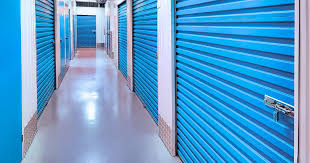
Clients can choose dedicated rooms for maximum segregation or shared spaces for cost efficiency, with flexible contracts ranging from month-to-month to multi-year strategic partnerships.
Transparency and Technology
What truly distinguishes Units is their commitment to transparency, technology, and client partnership. Every client receives secure 24/7 access to their monitoring portal, showing real-time temperature readings from multiple sensors within their storage zone, historical data logs for regulatory audits, and automated alerts via email or SMS if any parameter deviates from specifications.
Value-Added Services
Units offers a range of value-added services including:
- Real-time inventory management
- Pick-and-pack services
- Blast chilling for newly received warm products
- Chilled and frozen last-mile delivery using a fleet of temperature-monitored vehicles
Quality Assurance
Units maintains SFDA certification, ISO 22000 for food safety management, and ISO 9001 for quality management, with all records available for client inspection. Their backup generator systems provide 72 hours of continuous operation without mains power, and their facilities are protected by 24/7 security surveillance, fire suppression systems, and flood prevention measures.
Don’t let the extreme Saudi climate compromise your frozen products. Whether you need 20 pallets or 20,000, whether you are storing ice cream, frozen meat, vaccines, or laboratory samples, Units delivers the precision, security, and expertise your business demands. Visit their website at units.sa to schedule a facility tour, request a customized quote, or speak directly with one of their frozen storage specialists.
Conclusion
Frozen storage is the silent hero of the modern food and pharmaceutical supply chains, enabling year-round access to products that would otherwise be seasonal or impossible to transport across long distances. Frozen Storage, when executed correctly, halts biological decay, preserves nutritional value, and extends shelf life from days to years. In Frozen Storage in Riyadh, the extreme desert climate, rapid population growth, and strict regulatory environment demand facilities that go far beyond basic freezers—they require engineering excellence, operational discipline, and constant monitoring. Across Frozen Storage in Saudi Arabia, Vision 2030 investments in logistics, food security, and healthcare are driving unprecedented demand for professional cold chain solutions, while emerging trends like e-commerce grocery delivery and sustainable refrigeration reshape the industry landscape. Units stands as the top company for frozen storage across the Kingdom, offering redundant refrigeration, real-time monitoring, flexible contracts, and SFDA-compliant operations. Visit units.sa today and discover why industry leaders across Saudi Arabia trust Units for their most temperature-sensitive frozen inventory.
Frequently Asked Questions (FAQs)
1. What is the ideal temperature for long-term frozen storage of food?
For most frozen foods including meat, poultry, seafood, vegetables, and prepared meals, the internationally accepted standard is -18°C (0°F) or lower. At this temperature, microbial growth stops completely and enzymatic activity becomes negligible. For ice cream and premium frozen desserts, -25°C to -30°C is recommended to maintain smooth texture and prevent ice crystal formation. Units offers multiple temperature zones to match your specific product requirements.
2. How does Units protect frozen products during power outages or equipment failures?
Every Units frozen storage facility is equipped with automatic backup generators that activate within 10 seconds of a mains power failure. Their refrigeration systems maintain safe temperatures for 6–8 hours even without active cooling due to high-performance insulation. Units maintains on-site fuel reserves for 72 hours of continuous generator operation and conducts weekly load tests to ensure reliability. Additionally, their monitoring system sends immediate alerts to their engineering team if any temperature deviation occurs.
3. Can Units handle halal and non-halal frozen products separately?
Absolutely. Units strictly segregates halal-certified frozen products from non-halal items using dedicated chambers with separate air handling systems, ensuring no cross-contamination. They work with recognized halal certification bodies and maintain segregation records available for client and regulatory audits.
4. Does Units offer blast freezing services for products that need rapid freezing?
Yes. Units operates industrial blast freezers that can reduce product core temperature from +5°C to -18°C in under four hours. Rapid freezing creates smaller ice crystals, preserving cellular structure and resulting in better texture and flavor upon thawing. This service is particularly popular for seafood, meat processing, and prepared meal manufacturers.
5. How can I monitor my frozen products remotely while they are stored at Units?
Units provides every client with secure 24/7 web portal access showing real-time temperature readings from sensors placed throughout your dedicated storage zone. You can view historical data graphs, download temperature logs for regulatory compliance, and configure automated email or SMS alerts if temperatures exceed your specified range for more than 15 minutes. Their portal is accessible from any internet-connected device worldwide.