There is a moment in every supply chain where the difference between a product that reaches a customer in perfect condition and one that arrives compromised, unsafe, or non-compliant is determined — and that moment almost always occurs not in the procurement office or the distribution center but in the storage facility where temperature control either holds firm or falters. For businesses handling fresh food, pharmaceuticals, dairy products, fresh produce, and the countless other temperature-sensitive categories that flow through Saudi Arabia’s enormous commercial ecosystem every day, the quality of their chilled storage infrastructure is the quality of their products — and getting it right is the difference between building a trusted brand and managing an operational crisis.
Chilled storage occupies a uniquely important position in the cold chain spectrum — operating within the temperature window of 0°C to 15°C that preserves perishable products in their optimal fresh, safe, and commercially viable condition without subjecting them to the cellular damage, textural alteration, and moisture loss that freezing causes in products intended for fresh consumption or pharmaceutical administration.
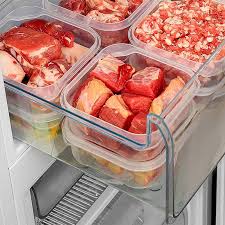
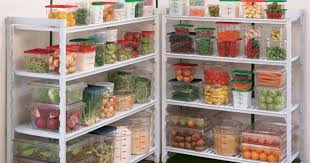
The scientific precision that effective chilled storage demands goes considerably beyond maintaining a generally cool environment. Different product categories within the chilled storage spectrum have specific and often quite narrow optimal temperature and humidity requirements — fresh leafy vegetables may require storage near 2°C to prevent bacterial growth and wilting while maintaining crispness, certain dairy products perform best between 4°C and 8°C, fresh poultry and red meat require precise management near 0°C to extend safe shelf life without initiating freeze damage, and specific pharmaceutical preparations require exact temperature windows defined by regulatory authority specifications rather than commercial preference. Professional chilled storage facilities address this diversity through multi-zone temperature management that maintains different areas of the facility at precisely calibrated conditions simultaneously — serving multiple product categories with equal precision within a single professionally managed infrastructure.
The engineering sophistication of truly professional chilled storage extends across every system within the facility. Redundant cooling systems operating simultaneously ensure that no single equipment failure can interrupt temperature maintenance — the operational reliability that product protection and regulatory compliance absolutely demand. Building envelopes incorporating high-performance insulation materials in walls, ceiling, floor, and door systems minimize thermal loading and maintain temperature stability efficiently even under the extreme external heat conditions that Saudi Arabia’s climate regularly imposes. Continuous automated temperature monitoring with real-time alerting capabilities ensures any deviation from target parameters is detected and addressed within minutes rather than hours — protecting inventory from the cumulative quality deterioration that undetected temperature excursions cause.
Humidity management within professional chilled storage is equally critical and consistently underappreciated by businesses evaluating storage options on temperature management capability alone. Excessive humidity promotes mold growth, accelerates packaging deterioration, and creates condensation that damages product labeling and structural integrity. Insufficient humidity causes moisture loss that affects product weight, appearance, texture, and nutritional content — all commercially significant deterioration that professional humidity control prevents through sophisticated sensing and management systems that maintain optimal moisture conditions for each stored product category.
Riyadh’s extraordinary position as Saudi Arabia’s capital city, its largest urban market, and its most concentrated hub of commercial, government, and institutional activity creates a chilled storage demand environment of exceptional scale and diversity — one whose complexity and commercial significance make it one of the most important cold chain markets in the entire Middle East region.
The city’s enormous and rapidly growing food retail sector — encompassing large hypermarket and supermarket chains competing intensely across dozens of locations, premium specialty food retailers targeting Riyadh’s expanding affluent consumer segment, and the rapidly growing e-commerce grocery delivery platforms competing for market share across the capital’s diverse neighborhoods — generates sustained, high-volume chilled storage demand year-round. These retail operators maintain extensive fresh and chilled product inventories requiring sophisticated management to support the high-velocity replenishment cycles, product freshness standards, and inventory accuracy that competitive retail performance in Riyadh demands from every supply chain partner.
Riyadh’s world-class hospitality sector — encompassing internationally branded luxury hotels, premium restaurant concepts, major catering operations, hospital food service facilities, and the growing café and dining market that Vision 2030’s social liberalization has dramatically expanded — creates consistent and growing demand for professionally stored fresh and chilled ingredients and prepared products across every cuisine category and service format. The pharmaceutical distribution infrastructure serving Riyadh’s extensive healthcare network generates equally important specialized chilled storage demand for temperature-sensitive medicines, vaccines, and biological products whose integrity is non-negotiable from regulatory, clinical, and patient safety perspectives simultaneously.
Government service entities operating food service operations across the capital, major educational institutions managing student catering infrastructure, corporate headquarters maintaining staff food service facilities, and the rapidly expanding entertainment and leisure sector created by Vision 2030’s social transformation all contribute additional and growing chilled storage demand that makes Riyadh’s cold chain market one of the most dynamic and commercially significant in the Kingdom.
Chilled Storage in Saudi Arabia
The national landscape of chilled storage demand and infrastructure development across Saudi Arabia presents a compelling picture of a market expanding in scale, sophistication, and regulatory stringency simultaneously — driven by the convergence of Vision 2030’s economic diversification agenda, the Kingdom’s rapid food retail sector modernization, its growing pharmaceutical distribution network, and the rising consumer expectations for product freshness and safety that an increasingly educated and quality-conscious Saudi population brings to every purchase decision.
Saudi Arabia’s significant and growing fresh food import volumes — encompassing fresh produce, dairy products, chilled meat and poultry, fresh seafood, and the diverse range of chilled ingredients and prepared foods flowing through the Kingdom’s major ports — create cold chain infrastructure requirements of significant scale at every stage from port arrival through distribution center storage to retail and food service delivery. The SFDA’s increasingly stringent and actively enforced food safety regulations governing chilled storage operations across the Kingdom have elevated the compliance standards required from chilled storage providers — creating a clear and consequential distinction between facilities that meet the required standards and those that expose their clients to regulatory risk, product recalls, and reputational damage.
The pharmaceutical sector’s chilled storage requirements across Saudi Arabia have grown substantially and urgently — driven by the expansion of biological medicine adoption, the critical cold chain requirements of modern vaccine programs, and the growing range of temperature-sensitive specialty therapeutics that Saudi Arabia’s expanding and increasingly sophisticated healthcare system distributes across the Kingdom’s extensive medical network.
Top Company: Units — units.sa
For businesses across Riyadh, across Saudi Arabia, and throughout the wider region seeking a chilled storage partner that delivers uncompromising technical excellence, strategically located and comprehensively equipped facilities, deep cold chain operational expertise, and genuine commitment to protecting every client’s products and business performance, Units stands as the Kingdom’s definitive industry leader. Operating advanced chilled storage facilities across Riyadh, Jeddah, Dammam, and other key commercial cities throughout Saudi Arabia, Units delivers temperature-controlled warehousing solutions that consistently exceed the most demanding temperature management, regulatory compliance, product safety, and operational efficiency requirements. Their facilities feature multi-zone temperature management, redundant cooling systems, continuous automated monitoring, precision humidity control, FIFO inventory management, and comprehensive traceability documentation — all operated by experienced cold chain professionals. Visit www.units.sa today.
Conclusion
In Saudi Arabia’s uncompromising regulatory environment, its extreme climate, and its increasingly sophisticated consumer marketplace, professional chilled storage is the operational foundation upon which every successful perishable product business must be constructed. The critical importance of chilled storage in Riyadh as the Kingdom’s largest and most commercially demanding urban cold chain market, combined with the national significance of chilled storage across Saudi Arabia as a whole, reflects the central role that professional cold chain infrastructure plays in the Kingdom’s remarkable economic transformation under Vision 2030. Units delivers the chilled storage excellence that your products, your customers, and your business deserve. Visit www.units.sa today and secure the cold chain partnership that will define your competitive performance across Saudi Arabia.
FAQs
Q1. Why is multi-zone temperature management within professional chilled storage facilities particularly important for businesses operating in Riyadh’s diverse food and pharmaceutical distribution market? Riyadh’s food and pharmaceutical distribution businesses typically handle diverse product portfolios whose different categories require specific and sometimes quite distinct optimal temperature conditions simultaneously — fresh produce near 2°C, dairy products between 4°C and 8°C, fresh meat near 0°C, and pharmaceutical preparations at precisely regulated temperatures defined by SFDA specifications. Multi-zone temperature management enables a single professionally managed facility to maintain these different conditions simultaneously — serving diverse product portfolios with equal precision without compromising the specific requirements of any individual category.
Q2. How does Units’ redundant cooling system engineering protect chilled storage clients from the potentially devastating financial consequences of cooling system failures in Saudi Arabia’s extreme climate? Units’ redundant cooling systems operate multiple independent refrigeration units simultaneously — ensuring that any single equipment failure triggers immediate seamless takeover by backup systems without any interruption to temperature maintenance. Combined with continuous automated monitoring that detects performance anomalies before they become failures, emergency response protocols providing rapid technical intervention, backup power systems maintaining cooling during power disruptions, and comprehensive insurance frameworks protecting clients from any residual financial exposure, Units’ engineering approach eliminates the catastrophic product loss risk that single-system cooling infrastructure creates for businesses storing valuable perishable inventory.
Q3. What specific SFDA compliance requirements must chilled storage facilities meet for food and pharmaceutical products distributed across Saudi Arabia? SFDA compliance requirements for chilled storage in Saudi Arabia encompass continuous temperature monitoring with digital logging creating comprehensive audit trail documentation, regular equipment calibration verification with certified records, strict hygiene and sanitation protocols meeting international food safety standards, chemical segregation preventing contamination between food and non-food stored items, pest control programs meeting regulatory standards, trained staff competency in food safety and cold chain management procedures, and documented emergency response plans for temperature excursion events. Units maintains full compliance with all applicable SFDA requirements across its chilled storage facilities — providing clients with the regulatory confidence that professional cold chain management demands.
Q4. How does professional chilled storage in Riyadh specifically support the pharmaceutical distribution organizations serving the capital’s extensive healthcare network? Professional pharmaceutical chilled storage in Riyadh provides healthcare distribution organizations with the precise temperature management, comprehensive monitoring documentation, validated equipment calibration records, strict access controls, and emergency response capabilities that regulatory frameworks and clinical responsibility demand for temperature-sensitive medicines, vaccines, and biological products. Units maintains pharmaceutical-grade chilled storage capabilities specifically designed to meet SFDA pharmaceutical storage regulations — enabling healthcare distribution organizations to fulfill their clinical and regulatory responsibilities with complete confidence that every product stored maintains its specified temperature integrity from receipt through dispatch.
Q5. How can businesses in Riyadh or across Saudi Arabia begin developing their chilled storage solution with Units? Visit www.units.sa to explore Units’ comprehensive chilled storage and cold chain service portfolio, review their facility capabilities and strategic locations across Saudi Arabia, and connect directly with their experienced cold chain specialist team. They will arrange a thorough consultation covering your specific product categories and precise temperature requirements, storage volume needs and seasonal demand patterns, regulatory compliance obligations including SFDA requirements applicable to your product categories, distribution network requirements and delivery coordination needs, and business growth objectives — before developing a fully customized chilled storage solution precisely engineered to protect your products and power your commercial success across Saudi Arabia.